
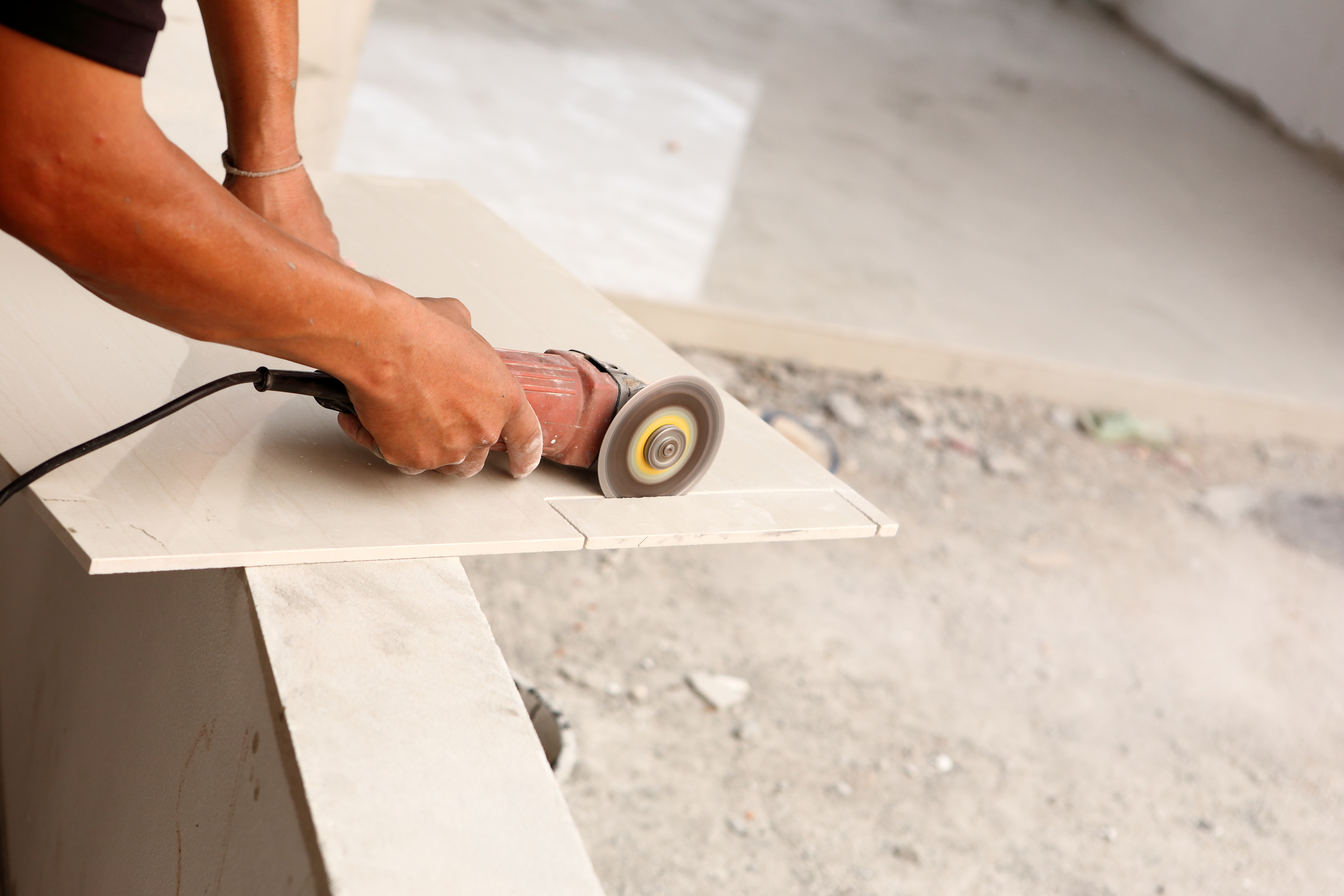
Seattle’s climate is beautiful — and brutal on the wrong bathroom tile. High humidity, cool temperatures, and homes that stay damp for 8 months of the year mean that tile selection isn’t just about aesthetics. Choose the wrong material or finish and you’re looking at grout failure, mold, and a remodel that ages badly within a few years.
Here’s what we’ve learned installing tile in Seattle, Bellevue, Everett, and Snohomish County bathrooms for over 15 years.
The Two Things That Matter Most in Seattle
1. Low Water Absorption Rate
Tile is rated for water absorption. In wet climates like the Pacific Northwest, you want tile with a water absorption rate below 0.5% — this is the porcelain standard. Standard ceramic tile absorbs more moisture, which over time leads to cracking, mold behind walls, and grout failure.
Recommendation: Use porcelain tile for floors and wet walls in Seattle bathrooms. Full stop.
2. Grout Joint Width and Sealing
Grout is the weak point in any wet area. In Seattle’s humidity, unsanded or improperly sealed grout wicks moisture, stains, and becomes a mold vector. We use epoxy grout or properly sealed cement grout on all shower installations, and we keep grout joints tight (1/16″ to 1/8″ on large-format tile) to minimize surface area.
Best Tile Materials for Pacific Northwest Bathrooms
Porcelain: The Gold Standard
Full-body porcelain is the best all-around tile for Seattle bathrooms. It’s dense, has near-zero water absorption, resists frost (relevant for cold Seattle winters), and comes in every imaginable format and finish. The large-format porcelain tiles mimicking natural stone — marble-look, travertine-look, concrete-look — are extremely popular in the Eastside market right now.
Best for: Shower walls, shower floors, bathroom floors, feature walls
Natural Stone: Beautiful, But Requires Commitment
Marble, slate, and travertine look stunning but are porous and require regular sealing — every 1–2 years in a wet Seattle bathroom. Slate is the most forgiving natural stone for the PNW (its natural cleft surface provides grip and it’s relatively dense), but it still needs proper sealing. Marble in showers is high-maintenance in our climate.
Best for: Accent walls and dry-area floors if you’re committed to maintenance. Not ideal for shower floors in daily-use bathrooms.
Glazed Ceramic: For Dry Areas Only
Standard glazed ceramic is fine for bathroom floors outside the wet zone and for backsplash areas. Avoid it on shower walls and floors in Seattle — the higher moisture absorption compared to porcelain is a liability over time.
Glass Tile: Stunning Accent, Tricky Install
Glass mosaic tile is popular as a shower niche accent or feature strip. It’s non-porous and mold-resistant, which is great for Seattle. The challenge is that glass expands and contracts differently than the substrate, so it requires flexible adhesive and an experienced installer. We use it for accents rather than full shower walls.
Best Tile Formats for Seattle Bathrooms in 2026
Large Format (24×48, 24×24, 12×24)
The most popular format we’re installing right now. Fewer grout lines means less maintenance, a cleaner look, and a bigger feel in smaller Seattle bathrooms. Requires a flatter substrate and skilled installation, but the result is worth it.
Subway Tile (3×6, 4×8)
Classic, timeless, and never wrong. The updated versions — matte finish, elongated 4×12, stacked vertical — feel fresh in 2026. Easy to maintain in Seattle showers when paired with epoxy grout.
Mosaic (1×1, 2×2, 1×2 herringbone)
Used primarily for shower floors where texture is needed for slip resistance. More grout lines than large format, so seal properly. Penny rounds and hex mosaics are perennially popular in Seattle craftsman home remodels.
Finishes: Matte vs. Polished in Seattle Showers
This is where we see a lot of Seattle homeowners make mistakes.
Polished / glossy tile looks beautiful in the showroom. In a Seattle shower, it shows every water spot, soap scum mark, and hard water deposit (especially in Bellevue and Eastside areas with harder water). Cleaning becomes a constant battle.
Matte and honed finishes hide water marks far better and look clean longer between deep cleanings. They’re also safer on shower floors — polished porcelain is slippery when wet.
Our recommendation: Matte or honed finish for shower walls and floors. If you want the look of polished stone, go with a large-format matte porcelain that mimics marble — you get the aesthetic without the maintenance headache.
Tile to Avoid in Seattle Showers
- Unsealed natural stone on shower floors — holds moisture, prone to mold in PNW humidity
- Unglazed terracotta or saltillo — extremely porous, will fail in wet areas
- Polished marble floors — slippery, high maintenance, stains easily with Seattle’s soft water mineral deposits
- Cement tile in showers — beautiful, but porous and requires constant sealing in wet Pacific Northwest climates
Our Installation Process
Beyond tile selection, what makes a Seattle bathroom tile job last is the waterproofing layer behind the tile. We use a membrane-based waterproofing system on all shower installations before any tile goes down. This is the step that separates a remodel that looks good for 2 years from one that looks good for 20 years.
If you’re planning a walk-in shower installation, tub-to-shower conversion, or a full bathroom remodel in Seattle or Snohomish County, we’re happy to walk through tile options with you during your free in-home estimate.
Call (425) 426-2350 or contact us online.
Frequently Asked Questions
What is the best tile for a Seattle shower floor?
Small-format matte porcelain mosaic (2×2 or penny round) is ideal for Seattle shower floors — it provides grip, has near-zero water absorption, and holds up well in the Pacific Northwest’s damp climate. Pair it with epoxy grout for the lowest maintenance option.
Does Seattle’s humidity affect tile selection?
Yes. Seattle’s year-round humidity means moisture absorption is a real concern. Stick to porcelain tile (not ceramic) for all wet areas, use a proper waterproofing membrane behind tiles, and seal grout joints correctly. Matte finishes hide water spots better than polished in our climate.
How often does bathroom tile grout need to be resealed in Seattle?
In a properly waterproofed shower using cement-based grout, resealing every 1–2 years is recommended in Seattle’s climate. Epoxy grout eliminates this need entirely and is our preferred choice for shower installations.